October 25, 2024 · Public health / Medicine
Viruses in Public Health: Disease Agents or Catalysts for Evolution?
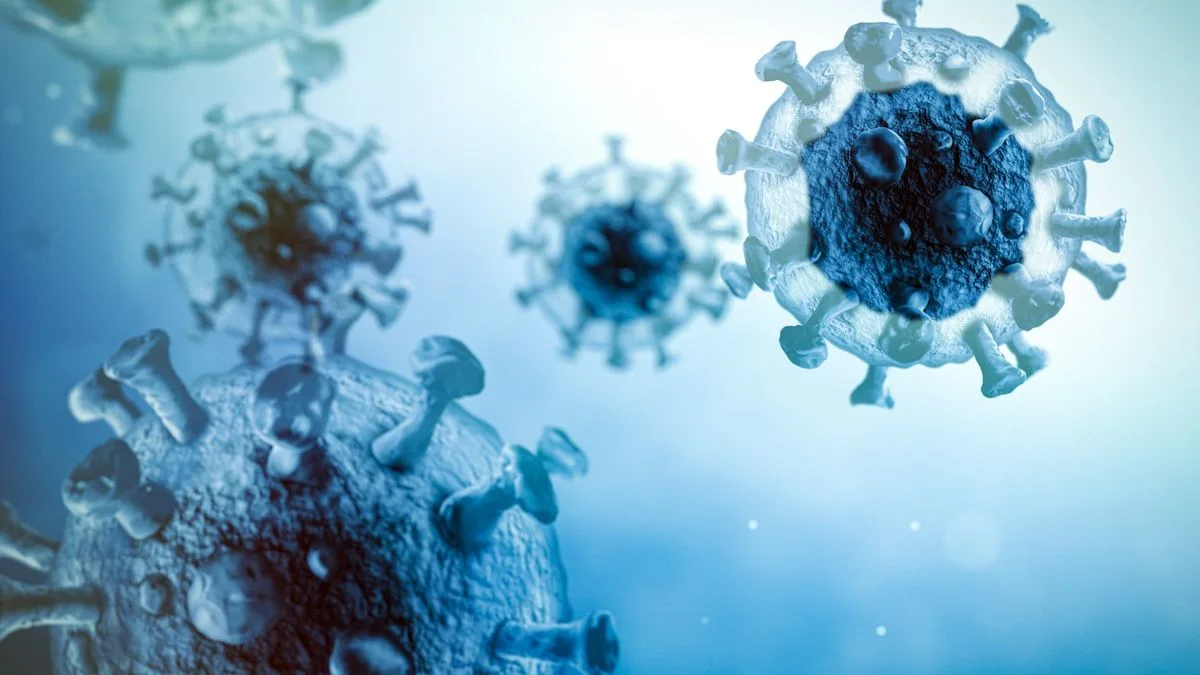
Viruses are microscopic infectious agents that can only replicate inside the living cells of a host organism. They are composed of genetic material (DNA or RNA) enclosed in a protein coat, and sometimes an additional lipid envelope. Viruses exist as a natural part of the biological world and have evolved over millions of years. While they often cause disease, this is not their primary goal, viruses are simply self-replicating entities striving to survive and spread. Understanding their existence requires looking at evolutionary biology, co-evolution with hosts, and survival strategies
Survival and Replication as a Fundamental Goal
The primary purpose of any virus is to replicate and spread. Viruses do not cause disease intentionally; rather, disease is often a byproduct of their replication or the host’s immune response to infection. Since viruses lack their own machinery for reproduction, they infect host cells and use the host’s resources to produce more viral particles.
Co-Evolution with Hosts
Viruses and their hosts (including humans) have co-evolved over millions of years. This means that while some viruses can cause severe illness, many have evolved to persist silently without killing the host. For example, chronic infections or asymptomatic carriers allow the virus to spread over time, ensuring its long-term survival. Viruses that rapidly kill hosts are less likely to spread effectively and may eventually disappear.
Immune Evasion as a Survival Strategy
Many viruses have evolved strategies to evade or manipulate the immune system. This helps them persist longer in the host, increasing their chances of transmission. Some viruses mutate rapidly (e.g., influenza, HIV), making it difficult for the immune system to recognize and eliminate them. Others, like herpes viruses, remain dormant for long periods to avoid detection.
Not All Viruses Cause Severe Disease
While some viruses cause devastating illnesses, many do not trigger severe symptoms. In fact, some infections are completely asymptomatic or cause only mild illness. Mild infections or chronic, low-level infections are often more successful from an evolutionary perspective, as they allow the virus to continue spreading without drawing attention from the host’s immune system or medical intervention.
Are Viruses Man-Made?
There is no scientific evidence to suggest that most viruses known to man are man-made. Many viruses, such as influenza, coronaviruses, and hepatitis viruses, have existed for thousands to millions of years. Viruses originate naturally through:
– Genetic mutations and recombination within viral genomes.
– Cross-species transmission (e.g., from animals to humans).
– Selection pressures that favour viral abberants capable of long-term survival.
Disease as an Evolutionary Accident
Viruses don’t “intend” to harm their hosts. Illness and tissue damage often result from the host’s immune response attempting to eliminate the infection. In some cases, persistent inflammation or immune dysfunction (as seen in chronic viral infections) leads to long-term disease. However, from the virus’s point of view, the ideal scenario is to infect, replicate, and spread without causing significant harm.
Viruses and Their Role in Evolution
Viruses are not merely harmful, they have also shaped the evolution of life on Earth. Viral infections can lead to genetic mutations in hosts, some of which become integrated into the host’s genome. Studies done at the University of Texas at Arlington suggest that 8% of the human genome consists of ancient viral DNA, playing a role in the development of immunity and reproduction.
To conclude, viruses exist as part of natural evolutionary processes. They are not inherently evil or malicious but follow the biological imperative to survive, replicate, and spread. Disease is often an unintended consequence of viral infections and the immune system’s response. While viruses can cause great harm, they are also a driving force in biological diversity and evolution. Their presence challenges us to find better ways to coexist, whether through natural immunity, medical interventions, or public health measures.
However, as public health advice, it is essential to recognize that many viruses are vaccine-preventable, and getting vaccinated is crucial to avoiding the harmful host-virus interactions that can cause serious illness. Vaccines offer a reliable way to reduce the risk of infections and protect both individuals and communities. For viruses without available vaccines, it is equally important to practice preventive measures, such as maintaining hygiene, avoiding exposure, and following public health guidelines, to minimize the risk of infection.
Ngunyi Yannick, MD.